Research Areas
The faculty in the Department of Electrical and Computer Engineering aim to advance modern technologies — and create new ones — through their work. Explore their research areas below.

Computer Architecture
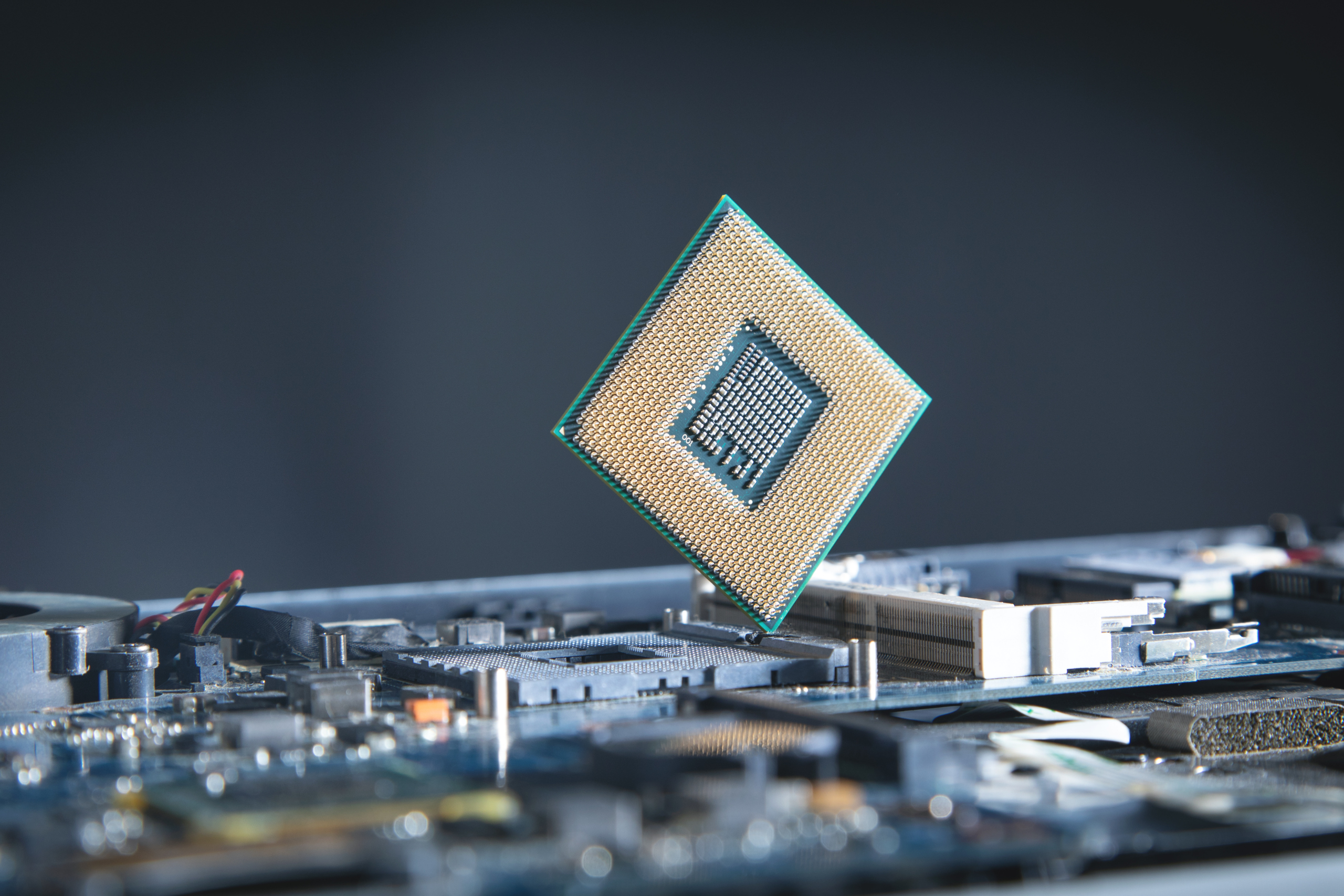
Improving the performance and efficiency of computers is the focus of our computer architecture researchers. These are a few topics they cover:
- Design of processors, memory systems and networks
- Modern file system design
- Energy efficient architectures
- Reliable massive storage
- Hardware accelerators for AI

Computer Systems and Networks
Our faculty aim to faster and more innovative hardware and software. Here are a few examples of what they research:
- Optical wireless networks
- Network economics
- Wireless systems
- Network architecture
- Vehicular networks

Control Systems and Optimization
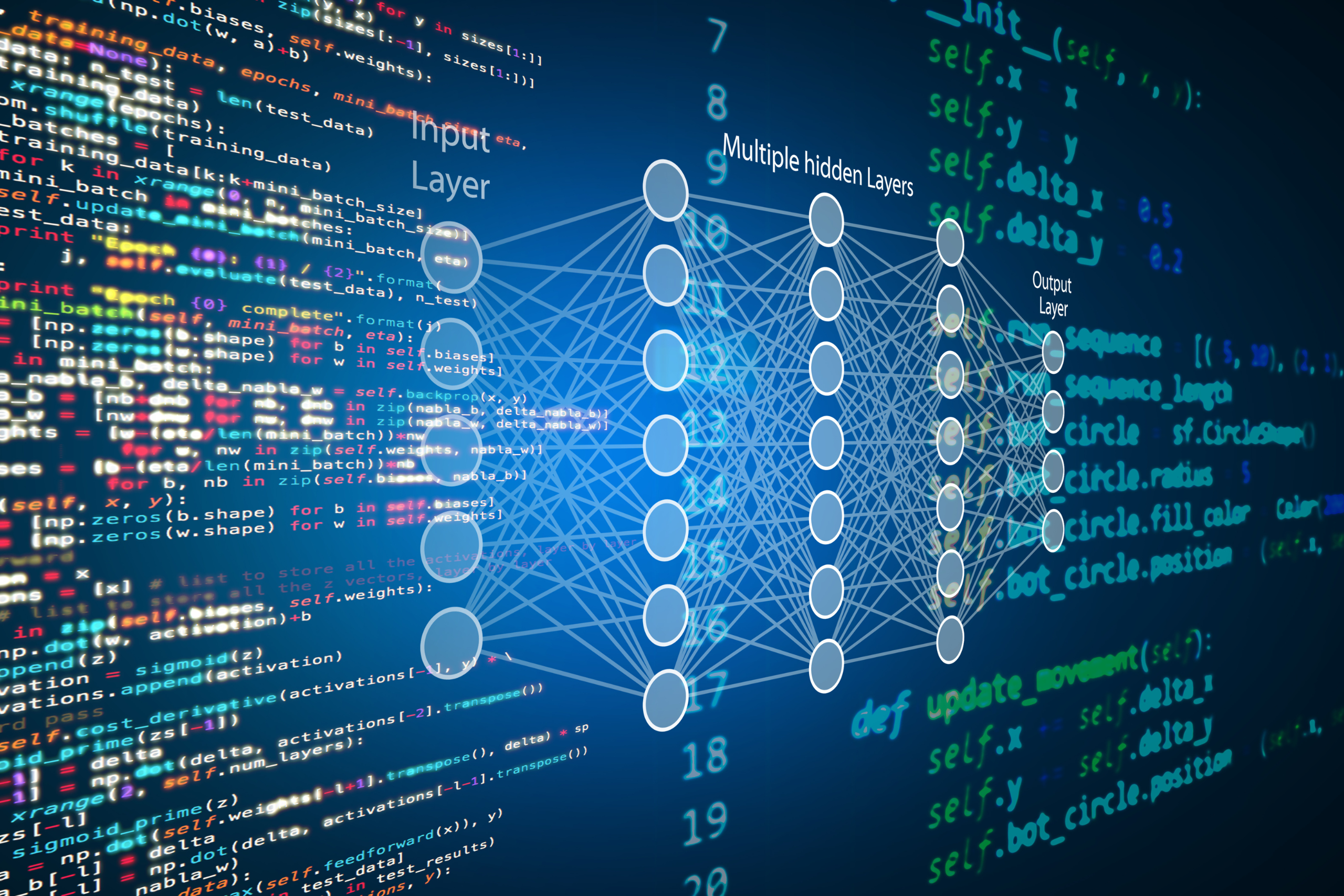
Combining the principles of STEM, our faculty am to regulate behavior of dynamic systems and find optimal solutions to complex problems. Their work includes:
- Optimization algorithms and theory
- Intelligent cyber-physical systems
- Learning-enabled control

Data Science, Signal Processing and Communications

Our faculty aim to advance methods for handling large-scale data, improving signal quality and addressing communications challenges. Here are a few examples of their research topics:
- Optical wireless communications
- Data-intensive computing
- Biosignal processing
- Vehicular and mobile communications

Electromagnetics and RF Circuits
By exploring the applications of electromagnetic fields, our faculty pave the way for new and novel technologies. They cover:
- Microwave engineering
- Antenna design
- Radio frequency circuits
- Remote sensing
- Dynamic control of power converters
- Solar energy conversion

Hardware Security
In an increasingly connected world, our faculty use their expertise to find new ways to safeguard important information. Their research in this area includes:
- Side channel attacks
- Information leakage
- Attack and protection of novel devices
- Secure AI accelerators
- AI for Hardware security verification

Machine Learning and Artificial Intelligence
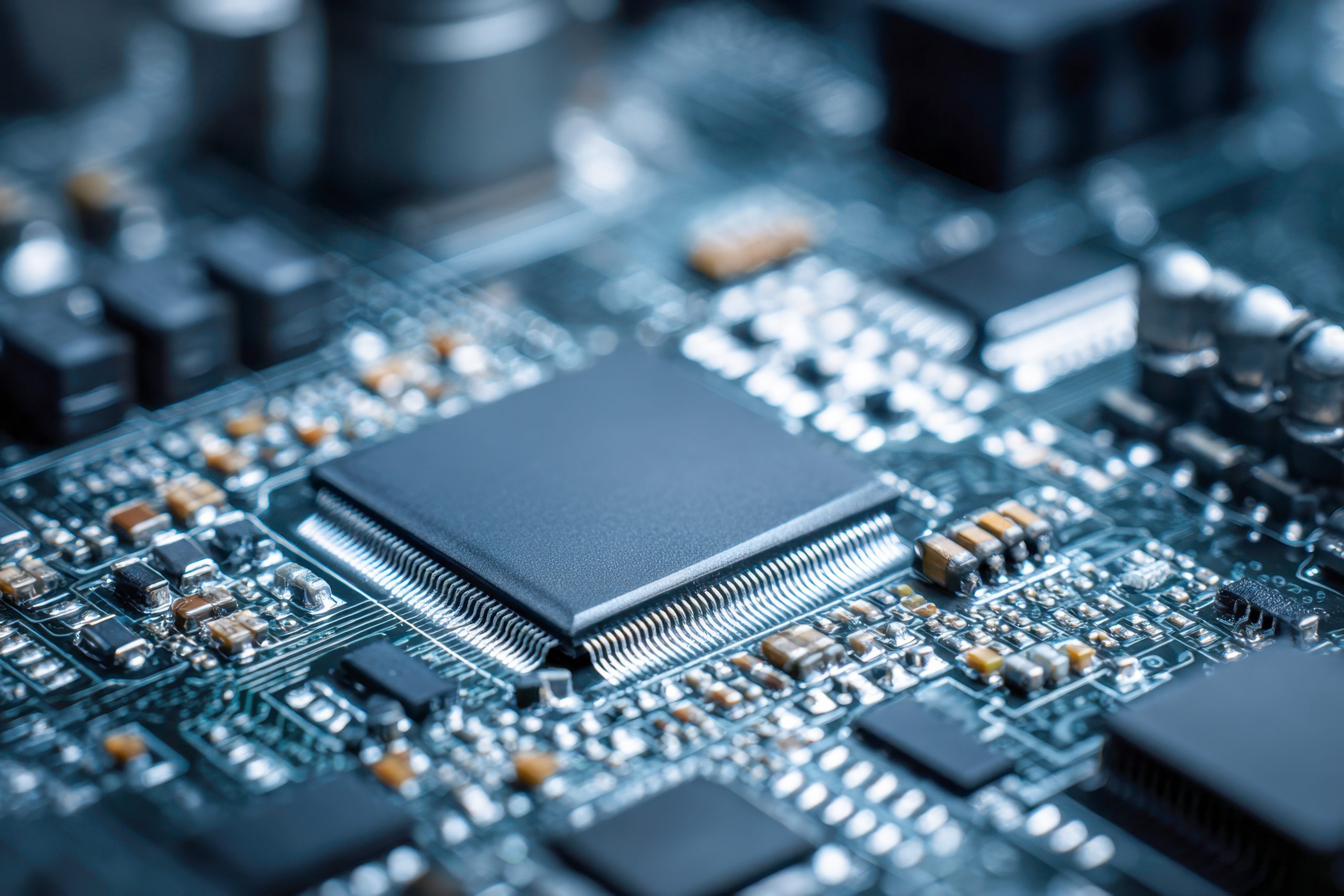
In the cutting-edge areas of machine learning and artificial intelligence, our researchers solve problems related to:
- Complex systems
- Data mining
- Natural language processing
- Neural networks
- Robotics
- Multi-agent systems

Microsystems and Nanosystems
Our faculty leverage advanced materials and manufacturing techniques to drive impactful solutions to real-world challenges in nanosystems. Their work spans:
- Thin film microelectronics
- Spintronic computing systems
- Integrated photonic devices
- Integrated circuits

Power Electronics and Power Systems
Providing more reliable, secure, sustainable and cost-efficient electricity services to users is the goal of our power electronics researchers. They cover:
- Power system protection and control
- Energy data analytics
- Grid integration of renewable energy

Quantum Devices and Computing
UCF faculty strive to remain at the forefront of quantum computing by conducting theoretical investigations of the fundamental aspects of quantum materials:
- Quantum compilation
- Qubit generation and manipulation
- Spin-photon interfacing
- Quantum algorithms

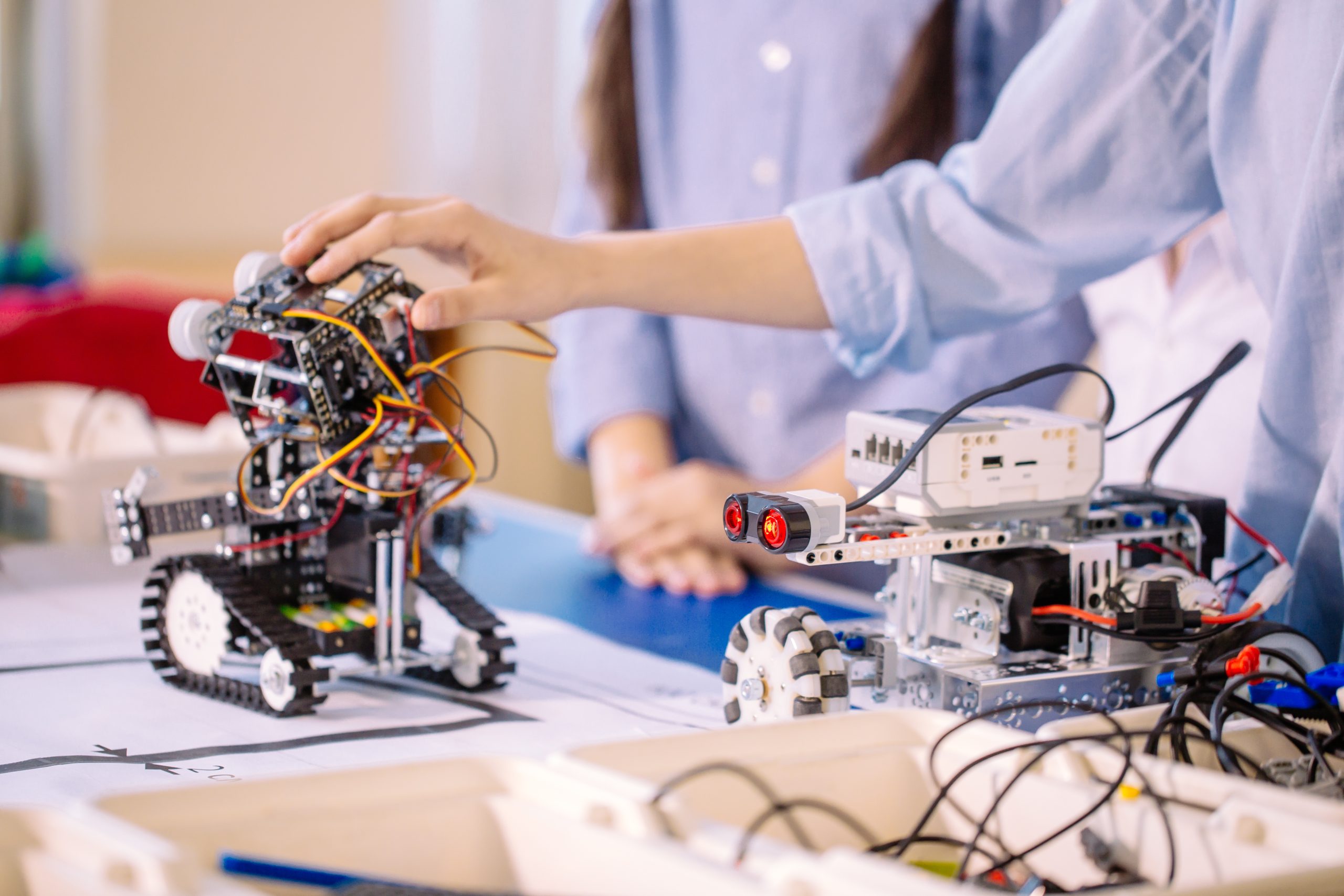
Robotics and Autonomous Systems
Robotics and intelligent machines will shape the future of society, and our faculty in turn, are shaping the future of this field through their work in:
- Human-centered robotics
- Biomimetic robotics
- Autonomous vehicles
- Robotic sensor networks
- Autonomous systems perception

Very Large Scale Integration Systems
By studying the foundation of modern electronics, our researchers are able to elevate digital design and pave the way for more sophisticated and compact systems. Here are a few VLSI areas thy cover:
- Cloud networking
- Network economics
- Sustainable computing
Faculty Clusters and Initiatives
The faculty in the Department of Electrical and Computer Engineering not only manage their own labs but collaborate with researchers across the university through faculty clusters and research initiatives. Learn more below.

Cyber Security and Privacy Cluster
The Cybersecurity and Privacy Faculty Cluster explores and develops new methods to keep our data secure. It also studies the social implications of new technologies and the Internet of Things.

Disability, Aging and Technology Cluster
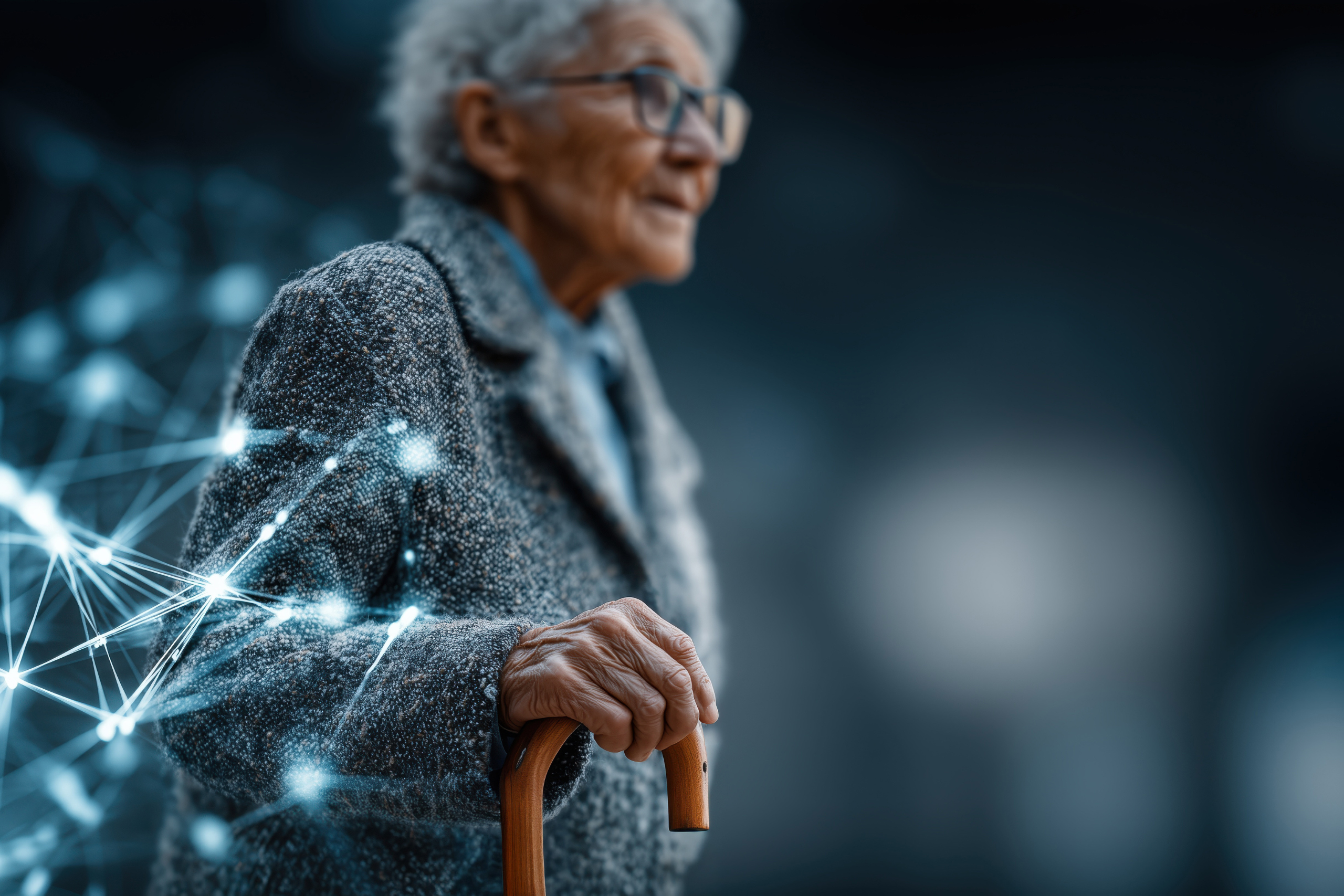
UCF’s Disability, Aging and Technology Faculty Cluster helps aid the physical and cognitive functions of people with disabilities and older persons.

UCF RISES Center
k
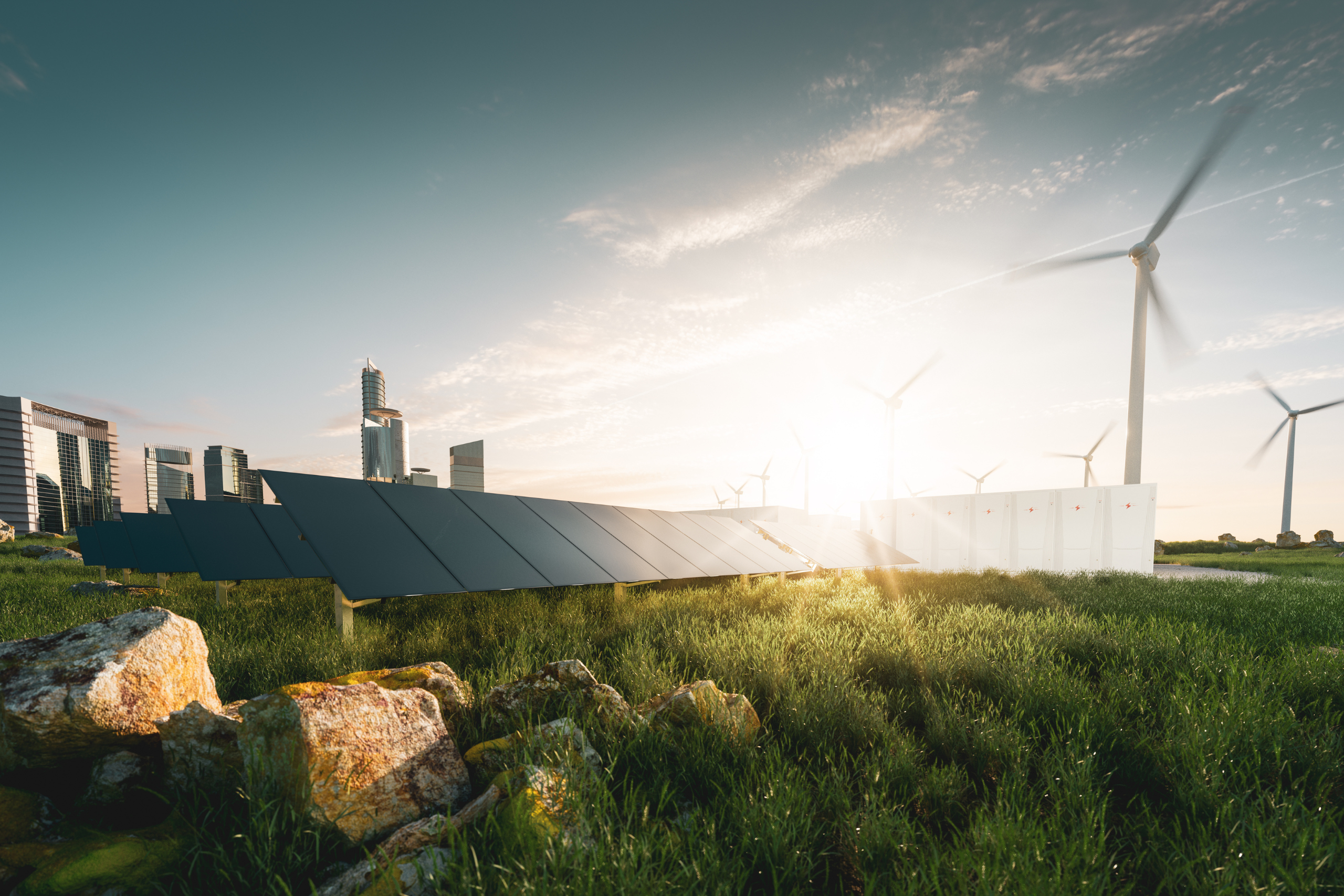
UCF’s Resilient, Intelligent and Sustainable Energy Systems Center, or RISES, led by Professor Zhihua Qu, works to develop sustainable and resilient energy systems and storage to make sure we have power and stay connected when disasters strike.