Explore
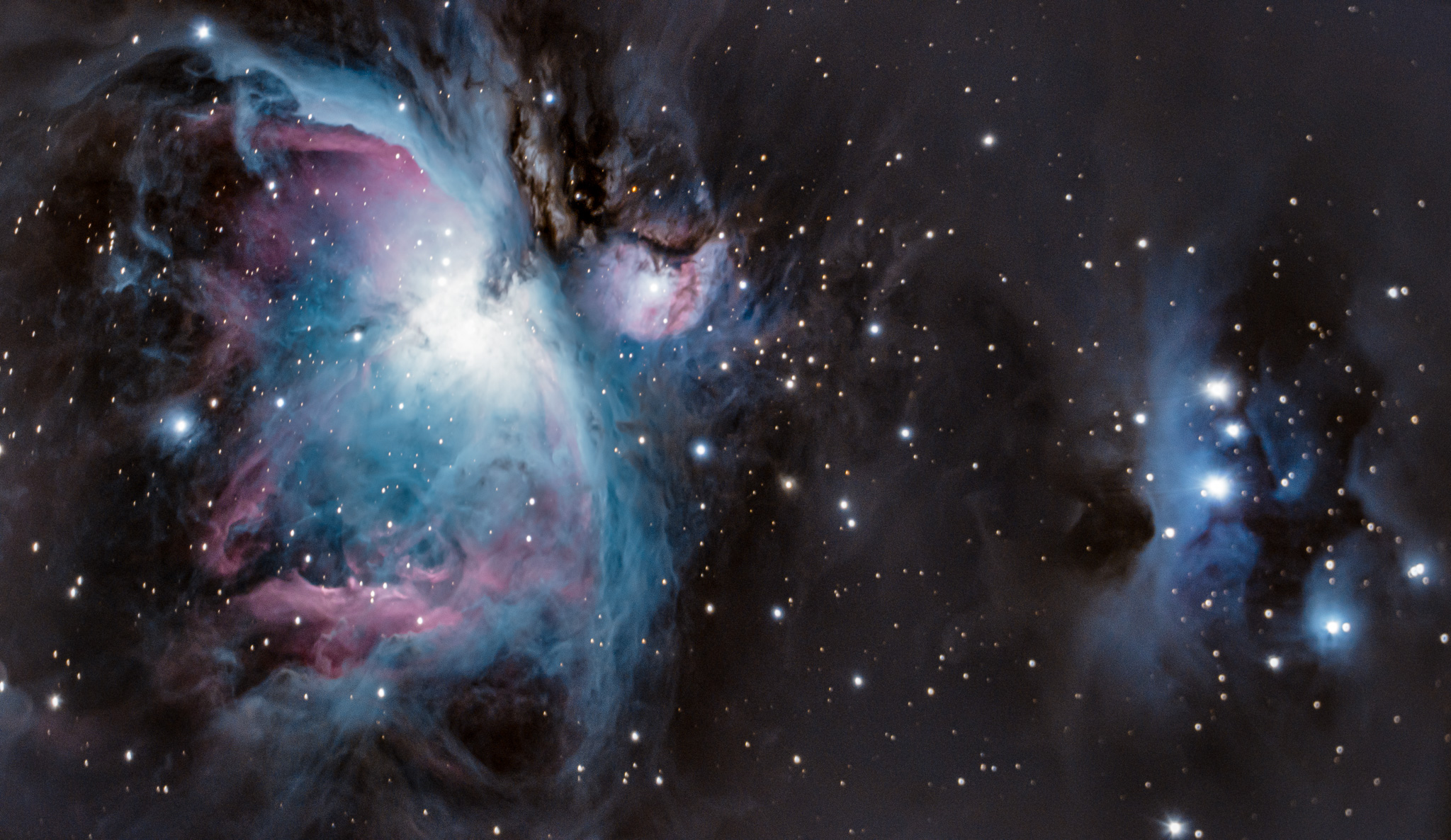
Analyze the stars with unbeatable accuracy and resolution
Learn
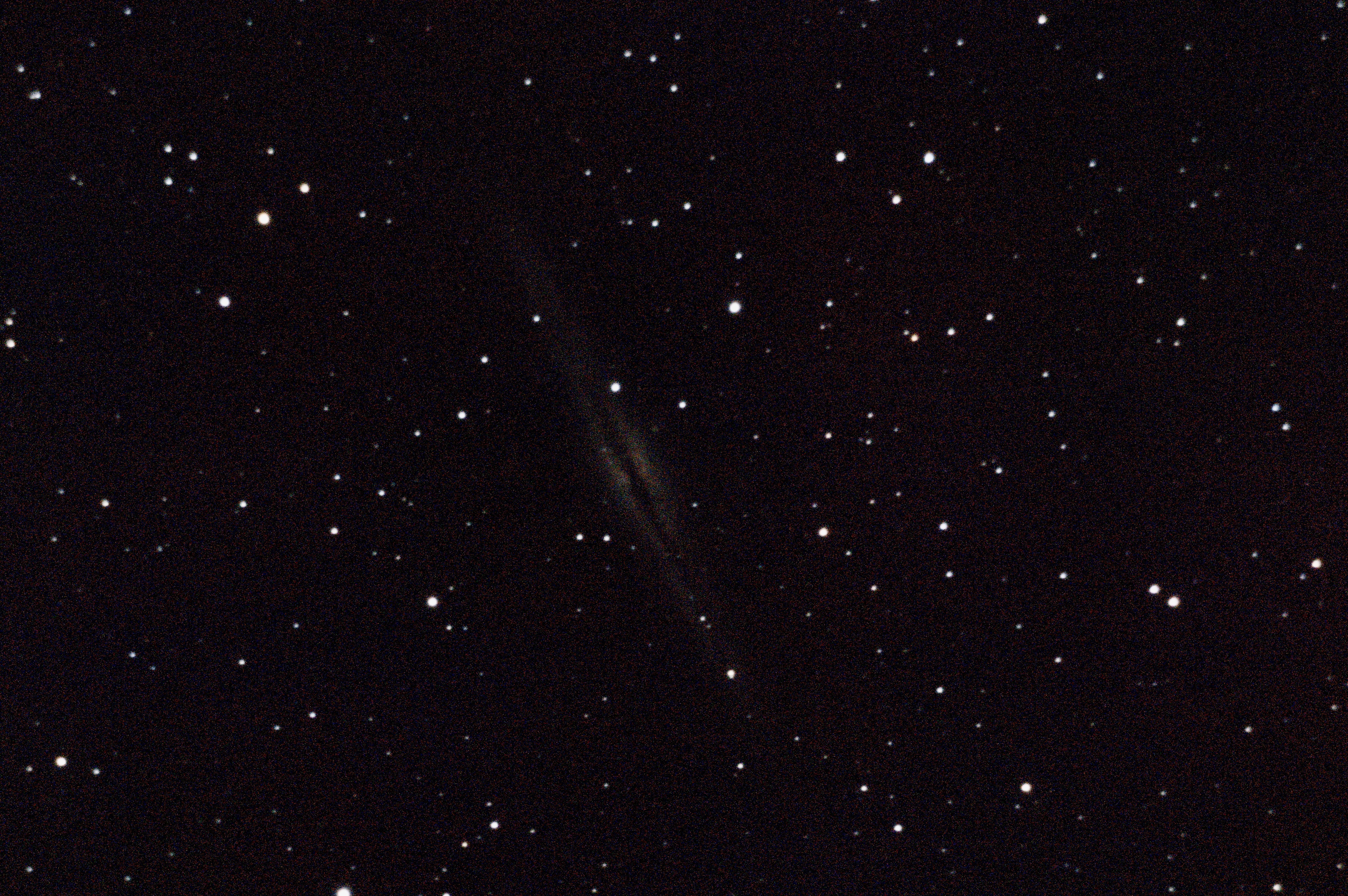
Take Advantage of AI to understand more than every about the cosmos
Track
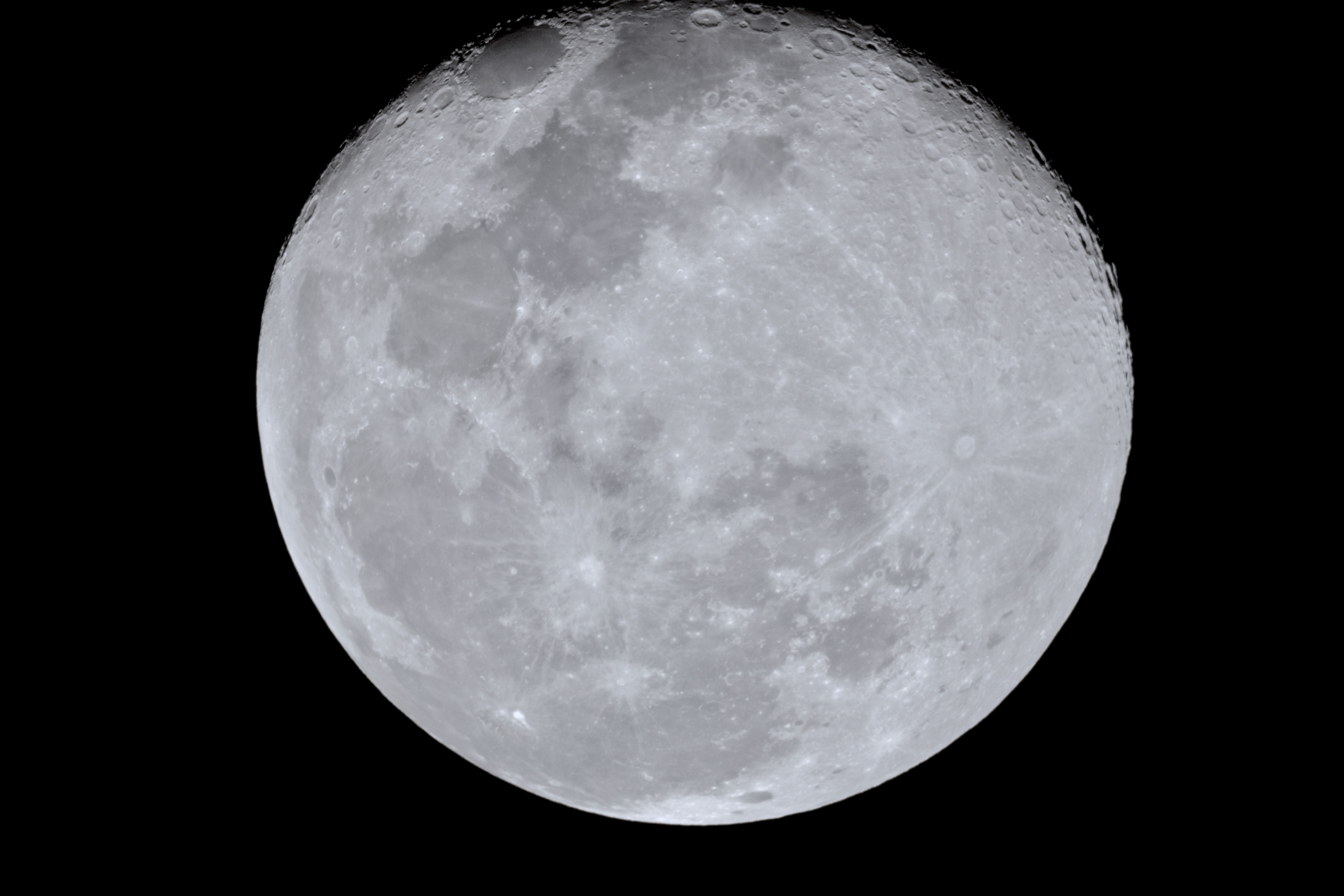
Tracking based on precision software to make sure you never lose out
Analyze the stars with unbeatable accuracy and resolution
Take Advantage of AI to understand more than every about the cosmos
Tracking based on precision software to make sure you never lose out
Team: Addison Long (PSE), Aaron Moreno (CPE), Alejandro Olivo (CPE), Sebastian Rowe (EE).
Reviewers : Bahaa Saleh, Mr.Bill Hawkins (Microchip Technology).
Project Star Spec should be able to classify stars by letter O, B, A, F, G, K, and M. These classes are well defined by spectroscopic analysis in the optical regime from about 450 nanometers to 700 nanometers. This commonly accepted method for classifying stars reveals information about elemental makeup, temperature, and a rough mass estimate. Having the capability to classify stars is the primary and most fundamental goal of Project Star Spec.
The main challenge of observing the nebula's emission spectra is signal-to-noise. Nebulas are very dim compared to stars, but unlike stars with a primarily continuous spectrum, nebulas have individual emission lines. Astrophotographers have long since used narrow band optical filters to block as much surrounding light as possible. Should project star spec be able to resolve the emission lines of a bright nebula, it could be used to determine the correct narrow band filter for best viewing as well as provide descriptive information on the nebula's composition.
Spectroscopic resolution is a critical factor and is typically classified into three distinct categories: low, intermediate, and high resolution. Low resolution is characterized by R < 1000, intermediate resolution falls within the range of 1000 < R < 10000, while high resolution is defined as R > 10000. We aim to attain a resolution greater than 1000 (R > 1000). This resolution positions us right at the low end of the intermediate resolution spectrum. Intermediate resolution strikes an optimal balance, providing sufficiently detailed spectral data for effective star classification. By targeting this level of resolution, Project Star Spec ensures the acquisition of high-quality, usable stellar spectra without the prohibitive expense associated with high-resolution spectroscopy.
Tracking and guiding are determined by their accuracy in arcminutes as our goal is to produce high quality deep-sky spectrographs. We need our guiding system to operate at or under 1 arcminute of accuracy. This is the main factor for the guiding system and we expect to be able to reach this by implementing both an equatorial tracking approach which will allow us to follow the earth's rotation and after calibration and then adjusting for any error created using a guiding system onboard the mount. With this approach we hope to be able to reach exposure times of around 1-2 minutes which would meet standards for tracking and guiding mounts.
To minimize noise and motion blur across the 1-2 minute exposure time, our physical implementation of the tracking of the star requires a significant level of accuracy. To achieve this accuracy, we will need to continuously move the motors by manipulating not the position of the motors every time a new frame is analyzed, but the velocity. This velocity will be governed to adjust both the speed and direction required for both the X and Y axis. To achieve this level of accuracy, we need to have a strongly responsive system with very low latency and accurate voltage monitoring on the motors. This could likely be done with a Raspberry Pi, or with a mid range MCU, but for our design we are interested in using an FPGA. We would like to use an FPGA for this control, alongside the Raspberry Pi, for two main reasons. First, FPGA’s are wicked and Sebastian loves to use them. Second, and more importantly, we believe that the parallelization and low level control available to FPGA’s will allow for the processing and response to the tracking data to be more timely and accurate than if this task were to be offloaded onto the Raspberry Pi.